

What is Acupuncture? | Praktijk ter Horst Zelhem & Zutphen
Acupuncture is an ancient healing practice within Traditional Chinese Medicine (TCM) that has been applied for over 4,000 years. By inserting thin needles at specific points on the body, the energy balance is restored and the body's self-healing capacity is stimulated. At Practice ter Horst, we combine classical acupuncture with modern insights for a personal, effective treatment.

History of acupuncture
Acupuncture was discovered in China approximately 4,000 years ago. What began as an accidental discovery during the quest for eternal life developed into one of the most effective healing methods in the world — without side effects or addictive properties. Today, acupuncture is practised worldwide and has been recognised by the World Health Organization (WHO) as an effective treatment method for dozens of conditions.
Scientific research shows that Traditional Chinese Medicine yields at least the same results as Western medicine for common complaints, often with fewer side effects and lower costs.
Classical acupuncture and the five elements
Classical acupuncture is based on Chinese philosophy, of which the five-element theory forms a fundamental part. Each element is connected to specific organs, emotions, seasons and bodily functions. By understanding these connections, the acupuncturist can treat the underlying cause of complaints rather than merely the symptoms.
| Element | Organs | Emotion | Season |
|---|---|---|---|
| Fire | Heart & Small intestine, Pericardium & Triple warmer | Joy | Summer |
| Earth | Spleen-pancreas & Stomach | Worry | Late summer |
| Metal | Lung & Large intestine | Grief | Autumn |
| Water | Kidney & Bladder | Fear | Winter |
| Wood | Liver & Gallbladder | Anger | Spring |
Practical example: Do you feel irritable in the morning and find it hard to get going? The energy of the morning belongs to the Wood element. The emotion associated with it is irritability, and the corresponding organ is the Liver. The acupuncturist will focus on balancing the liver energy, making it easier to get up and helping you start the day differently.
Yin & Yang: the foundation of health
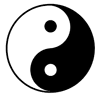
The Yin & Yang symbol represents two opposing forces that keep each other in balance. Yin represents the feminine, receptive and dark aspect. Yang represents the masculine, creative and light aspect. The dot in each part indicates that nothing is entirely Yin or entirely Yang — there is always a part of the other present.
When Yin and Yang are in balance, you are healthy. When this balance is disturbed — by external factors such as weather and nutrition, or internal factors such as heredity, stress and emotions — complaints can arise. The acupuncturist restores this equilibrium by regulating the flow of energy through the meridians.
Meridians and acupuncture points
Energy (Qi) circulates through the body via meridians: energy channels each connected to a specific organ, such as the liver meridian or the heart meridian. Together they form a complex network that transports energy to every part of the body.
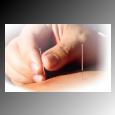
The acupuncture points are located along these meridians. By inserting a thin needle at these points, the acupuncturist can influence the flow of energy: removing blockages, strengthening energy or calming it. In this way the body is brought back into energetic balance.
How does the acupuncturist make a diagnosis?
Chinese medicine employs a comprehensive diagnostic method that differs from Western medicine. The acupuncturist uses multiple senses to form a complete picture of your health:
| Method | What is examined? |
|---|---|
| Pulse diagnosis | Via the pulse (left and right), six areas are assessed, each connected to an organ system. The acupuncturist compares the energetic state of all organs with one another |
| Tongue diagnosis | Reflex zones of the digestive system are visible on the tongue. Colour, coating, shape and size provide valuable information about internal health |
| Skin inspection | The colour and quality of the skin give insight into circulation and Blood levels |
| Observation | The condition of the eyes, hair and general appearance reflect internal health |
| Anamnesis | An in-depth conversation about your complaints, lifestyle, nutrition, sleep and emotional wellbeing |
| Pressure point diagnosis | Sensitivity of specific points on the body. Points on the front often indicate acute complaints; points on the back indicate chronic problems |
What does an acupuncture treatment involve?
A treatment at Practice ter Horst is careful and personal. Below you will find what you can expect:
- Intake and diagnosis (first visit): Comprehensive anamnesis, pulse and tongue diagnosis to establish the TCM pattern. This takes approximately 60 minutes
- Treatment plan: Based on the diagnosis, the acupuncturist draws up a personal treatment plan, including advice on nutrition and lifestyle
- Needle treatment: Thin, sterile needles are placed at specific acupuncture points. Most people experience this as virtually painless
- Rest period: The needles remain in place for approximately 20–30 minutes while you lie relaxed. Many patiënts experience a deep sense of relaxation
- Follow-up treatments: Depending on the complaint, an average of 4–10 treatments are required, with decreasing frequency as recovery progresses
What can acupuncture do for you?
Acupuncture has a broad range of applications. It strengthens your natural resistance, raises the pain threshold and stimulates your vitality. The acupuncturist looks at both physical and emotional aspects and helps you understand the connection between them.
Acupuncture has been scientifically proven effective for, among other things, the following complaints:
Would you like to know more about the philosophical background? Read our comprehensive article on Traditional Chinese Medicine (TCM).
View the full indication list for an overview of all complaints that acupuncture can help with.
Scientifically recognised by the WHO
Scientific recognition
The World Health Organization (WHO) recognises acupuncture as an effective treatment method for more than 40 conditions. Scientific research shows that acupuncture, among other things:
- Stimulates the production of endorphins (the body's natural painkillers)
- Reduces inflammatory responses through modulation of the immune system
- Improves circulation and reduces muscle tension
- Regulates the autonomic nervous system, contributing to stress reduction
- Positively influences digestion and hormonal balance
In the Netherlands, acupuncture is covered by the supplementary insurance of most health insurers. View the reimbursement options.
Frequently asked questions about acupuncture
Get in touch
Would you like to know more about what acupuncture can do for you? Feel free to contact Practice ter Horst for a free introductory consultation. During this approximately 20-minute conversation, we will discuss your complaints and the possibilities of acupuncture. Many health insurers reimburse acupuncture treatments through supplementary insurance.